
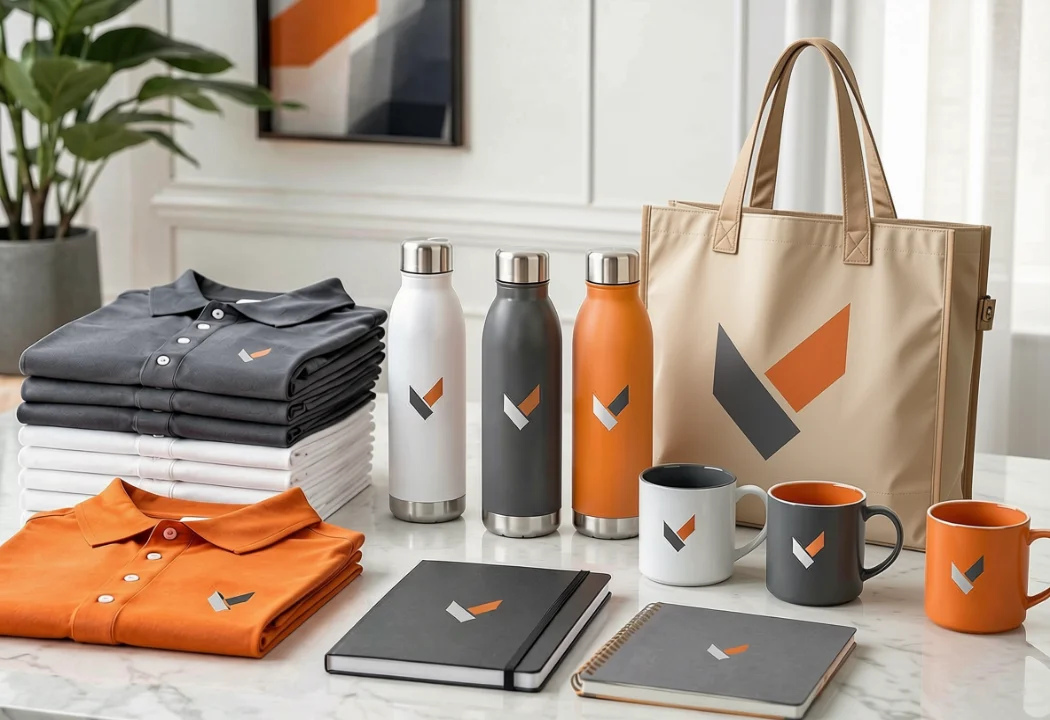
Getting a business noticed takes more than having a good logo or an attractive website. People need opportunities to recognise a brand, remember its name, and connect it with the products or services it offers. Promotional products can help create these opportunities by bringing a brand into people’s everyday lives.
From branded notebooks and mugs to tote bags, office accessories, and corporate apparel, these items can serve a practical purpose while displaying a company’s identity. Unlike many digital promotions that disappear from a screen, a useful physical product may remain with its recipient for months or even years.
However, not every promotional item delivers the same value. The right choice depends on the audience, the occasion, the product’s usefulness, and how well it represents the business. A thoughtful selection can make a stronger impression than handing out large quantities of items that people rarely use.
How Promotional Products Support Brand Awareness
Promotional products give businesses another way to introduce their brand to customers, employees, event attendees, and business partners. Their value comes from combining practical use with repeated brand exposure.
For example, a branded notebook used during meetings can keep a company’s name visible in a professional setting. A reusable tote bag may introduce the same brand to people outside the original audience. These interactions are simple, but they can help people become more familiar with a business over time.
Promotional products can also support customer relationships. A relevant gift can make a client feel appreciated, while a welcome kit can help new employees feel included in the workplace. At exhibitions, conferences, and business events, selected merchandise can provide a tangible reminder of the organisation after the event has ended.
The effectiveness of these products depends on their relevance and quality. An item that people find useful is more likely to be kept and used than one chosen only because it is inexpensive. Good design also matters. A clear logo, readable typography, and appropriate brand colours help recipients recognise the business without making the product look overcrowded.
Types of Promotional Products Worth Considering
The best promotional products are items that fit naturally into the recipient’s daily routine. Businesses should consider the purpose of the campaign before choosing merchandise, as a product suitable for a trade show may not be the best option for an employee appreciation gift.
Branded stationery
Pens, notebooks, notepads, folders, and other stationery items are practical options for offices, educational events, conferences, and client meetings. They are especially suitable for businesses that want to distribute useful items to a broad audience.
A well-designed notebook or pen can carry a logo, company name, or short brand message. The design should remain simple enough for the product to look professional and be comfortable to use.
Customised mugs and drinkware
Mugs, reusable bottles, and travel cups can be suitable promotional products for employees, clients, and event participants. Because these items may be used repeatedly, they offer opportunities for ongoing brand visibility.
The design should suit the product’s shape and intended use. A small logo with a complementary colour scheme often looks cleaner than placing too much information on the surface. Before ordering, businesses should also consider the material, durability, cleaning requirements, and print quality.
Tote bags and reusable items
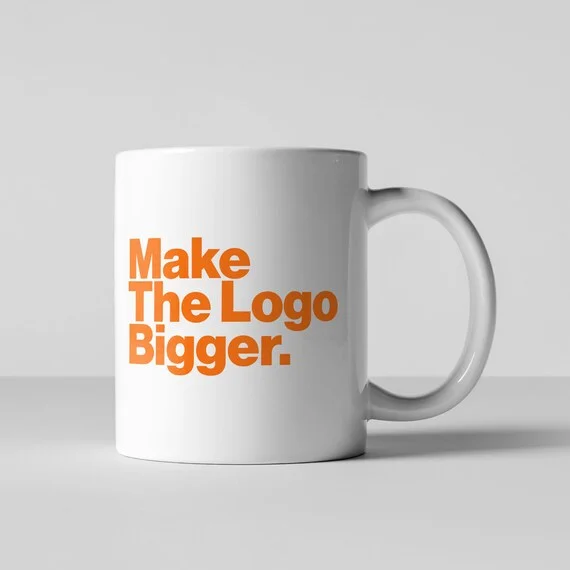
Tote bags, shopping bags, and reusable accessories can work well for exhibitions, retail promotions, community events, and conferences. They provide space for branding and can carry other materials, making them useful for event packs.
When choosing a bag, consider its size, material, handle strength, and overall appearance. A sturdy product is more likely to be reused than one that feels flimsy.
Corporate apparel
T-shirts, caps, polo shirts, and other branded clothing can help create a coordinated appearance at events, staff activities, and promotional campaigns. They may also be suitable for employee welcome kits or informal company celebrations.
Apparel requires more planning than some smaller promotional items. Businesses need to consider sizes, fabric quality, comfort, colour availability, and how the logo will look when printed or embroidered.
Notebooks and office accessories
Desk organisers, calendars, mouse pads, document holders, and similar office accessories can suit corporate clients and employees who spend much of their time working at a desk.
These items are particularly useful when the aim is to provide something relevant to the recipient’s working environment. A well-made desk accessory can also make a corporate gift feel more considered than a generic giveaway.
Awards and commemorative gifts
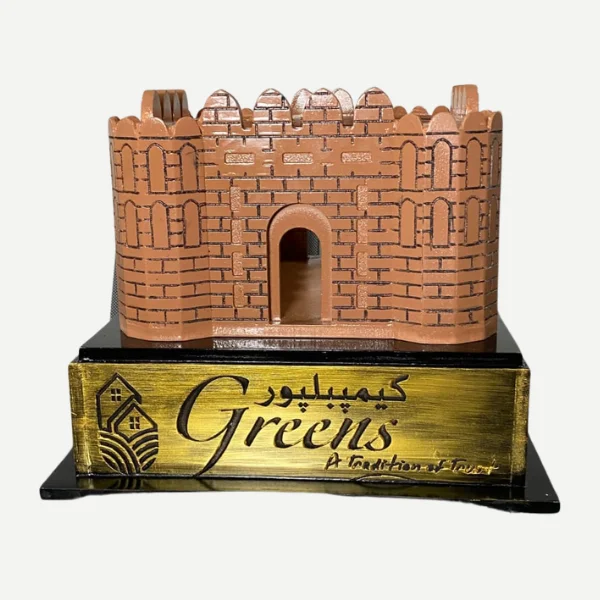
Plaques, trophies, shields, and personalised awards serve a different purpose from everyday promotional merchandise. They are often chosen for employee recognition, business milestones, partnership celebrations, competitions, and formal events.
These products generally require more attention to personalisation and presentation. Names, dates, titles, and company details should be checked carefully before production. The materials and finish should also suit the significance of the occasion.
How to Choose Promotional Products for Your Audience
Selecting promotional products should begin with the people who will receive them. An item that works well for one audience may be unsuitable for another, so businesses should consider a few practical questions before placing an order.
Understand the recipient. Think about the audience’s needs, interests, working environment, and everyday habits. Office accessories may suit corporate clients, while tote bags or drinkware might be more practical for event attendees.
Define the purpose. Decide what the product is intended to support. Is it meant to introduce a business to new audiences, thank existing clients, welcome employees, or recognise an achievement? A clear purpose makes it easier to compare options.
Consider the occasion. Trade shows, product launches, employee events, and client meetings have different requirements. Lightweight giveaways may work for large events, while a smaller, personalised gift may be more suitable for an important business relationship.
Set a realistic budget. The total cost may include product manufacturing, customisation, packaging, delivery, and taxes. Compare the complete cost rather than selecting an item based only on its advertised unit price.
Check quality before ordering. Where possible, review a sample to assess the material, finish, printing, and usability. A sample can reveal issues that are difficult to judge from a product image alone.
Think about practical value. Products that are easy to use and fit naturally into daily routines are more likely to be kept. Choose something recipients can genuinely use rather than an item that simply carries a logo.
Common Mistakes to Avoid
Even a well-intentioned promotional campaign can fall short if the products are selected without considering the recipient or the purpose.
Choosing items only because they are cheap: Low prices may seem attractive, particularly for large orders, but poor quality can make the product less useful. Compare durability and suitability alongside cost.
Overloading the design: Too many colours, slogans, contact details, and graphic elements can make a product look cluttered. Keep the design clear and prioritise the most important brand elements.
Ignoring the audience: A product that does not suit the recipient’s needs may be discarded or left unused. Consider how and where the item is likely to be used.
Ordering without checking samples: Colours, sizes, materials, and print placement may look different in the finished product. Reviewing a sample or proof can help identify problems before a full order is produced.
Forgetting presentation: Packaging and arrangement can influence the overall impression, especially for client gifts and recognition items. Simple, neat packaging can make a product feel more complete without adding unnecessary expense.
Frequently Asked Questions
What are the most effective promotional products for businesses?
The most suitable products depend on the audience, campaign objective, and budget. Common options include branded stationery, drinkware, tote bags, apparel, office accessories, and personalised corporate gifts. Products that are useful, durable, and appropriately designed are often a sensible starting point.
Do promotional products help build brand awareness?
They can support brand awareness by keeping a business’s name or logo visible when recipients use or share the items. Their effectiveness depends on product quality, relevance, distribution, and how well the campaign fits into the company’s wider marketing strategy.
Should every promotional product include a company logo?
Not necessarily. A logo can help people identify the brand, but its placement should suit the product. A subtle logo and a clean design may look more professional than large branding that makes the item less appealing to use.
How much should a business spend on promotional products?
There is no single budget that suits every business. Costs depend on product type, quantity, customisation, materials, packaging, and delivery. Businesses should set a budget based on the campaign’s purpose and compare the total cost of suitable options.
Conclusion
Promotional products can help businesses build familiarity, support professional relationships, and keep their brand visible beyond traditional advertising. From everyday stationery and drinkware to customised apparel and commemorative awards, the right item depends on the people receiving it and the purpose behind the campaign.
A successful selection does not have to be expensive or complicated. It needs to be useful, appropriate, well-made, and consistent with the company’s visual identity. Clear design and careful planning can also prevent common issues with quality, personalisation, and presentation.
For businesses considering branded merchandise, corporate giveaways, or customised gifts, The Artware offers a way to bring product selection and visual branding together. The aim should always be to choose products that recipients value and that represent the business in a thoughtful, professional way.