
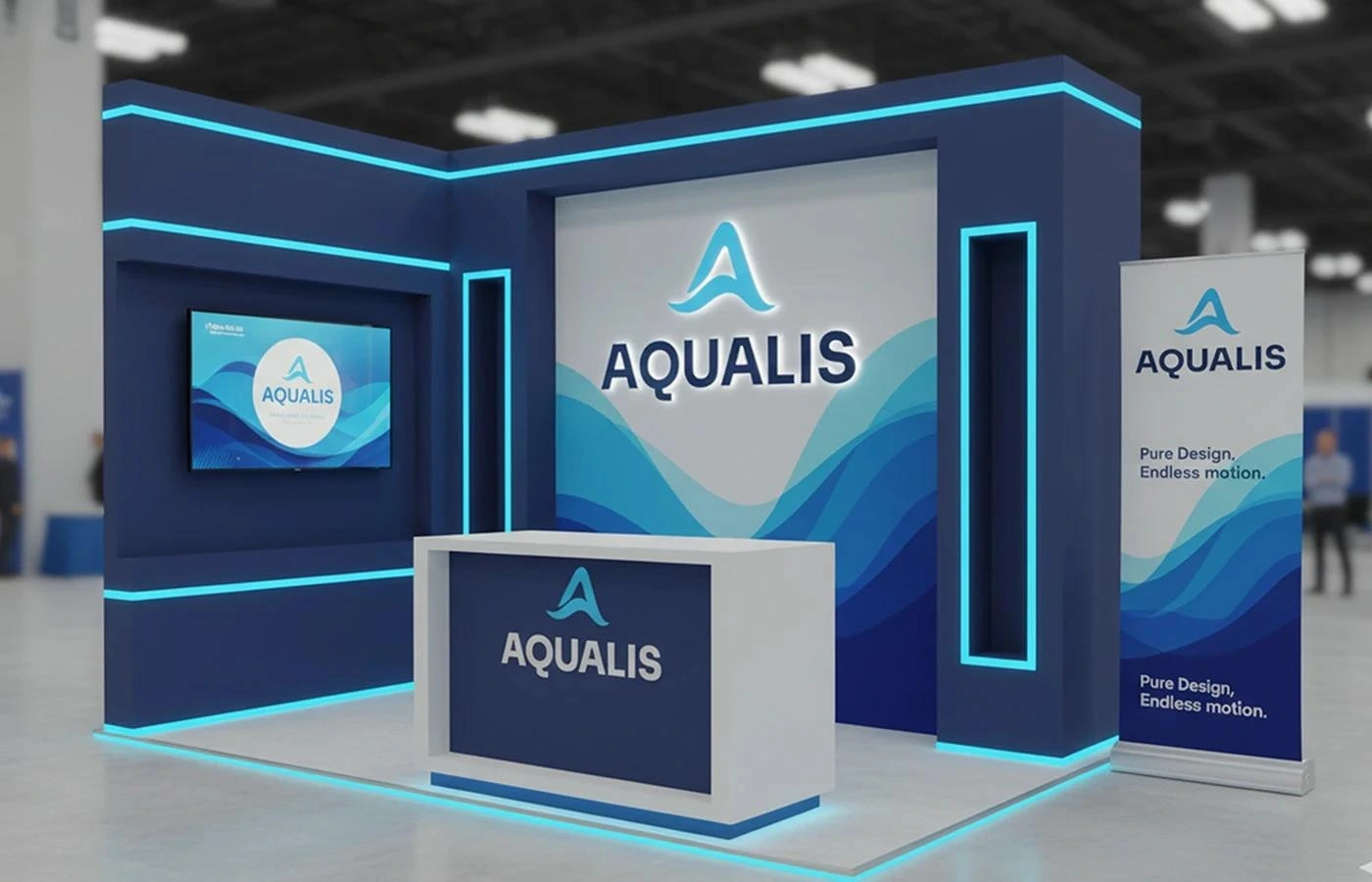
Trade shows give businesses an opportunity to introduce their products, meet potential customers, and build valuable professional connections. However, with several companies competing for attention in the same exhibition hall, making a booth noticeable can be challenging. This is where well-planned trade show graphics make a difference. From large backdrops and promotional banners to branded display panels, the right visuals help communicate what a business offers before visitors even approach its booth.
Effective exhibition graphics are not simply about using attractive colours or placing a company logo on a wall. They require thoughtful design, clear messaging, suitable materials, and careful positioning. When these elements work together, businesses can create a professional display that attracts attention and gives visitors a better understanding of their brand.
Why Trade Show Graphics Matter for Businesses
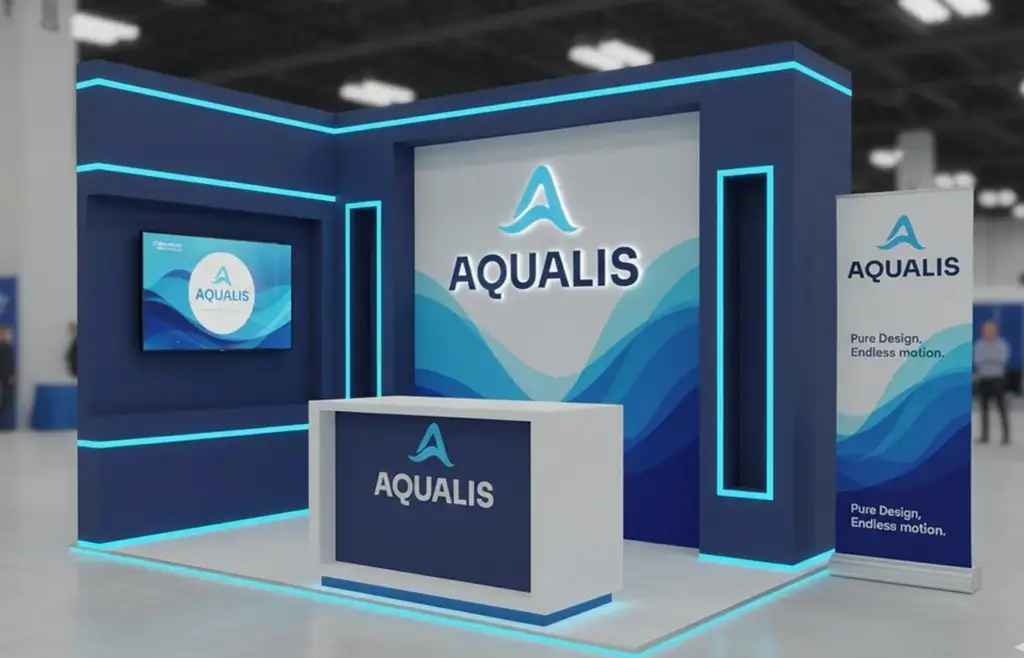
Visitors often see several exhibition booths while walking through an event. Businesses therefore have limited time to make a positive impression. A well-designed display helps communicate the company’s identity and main offering without requiring visitors to stop and read lengthy descriptions.
One important benefit is improved brand visibility. Consistent use of company colours, logos, and visual elements makes it easier for attendees to recognise a business across different display materials. Large graphics can also help visitors identify a booth from a distance, making the exhibition space easier to notice.
Trade show graphics also support communication. A clear headline, relevant product image, or short description can explain what a business does and why its products or services may be useful. This gives visitors a reason to approach the booth and ask questions.
A professionally presented exhibition space can further contribute to a business’s credibility. When graphics are organised, readable, and consistent, they create a more confident impression than displays filled with unrelated images and excessive text.
Essential Elements of Effective Trade Show Graphics
Creating effective exhibition graphics requires more than selecting a template and adding a logo. Each design element should serve a clear purpose and work with the overall booth layout.
Clear Branding and Logo Placement
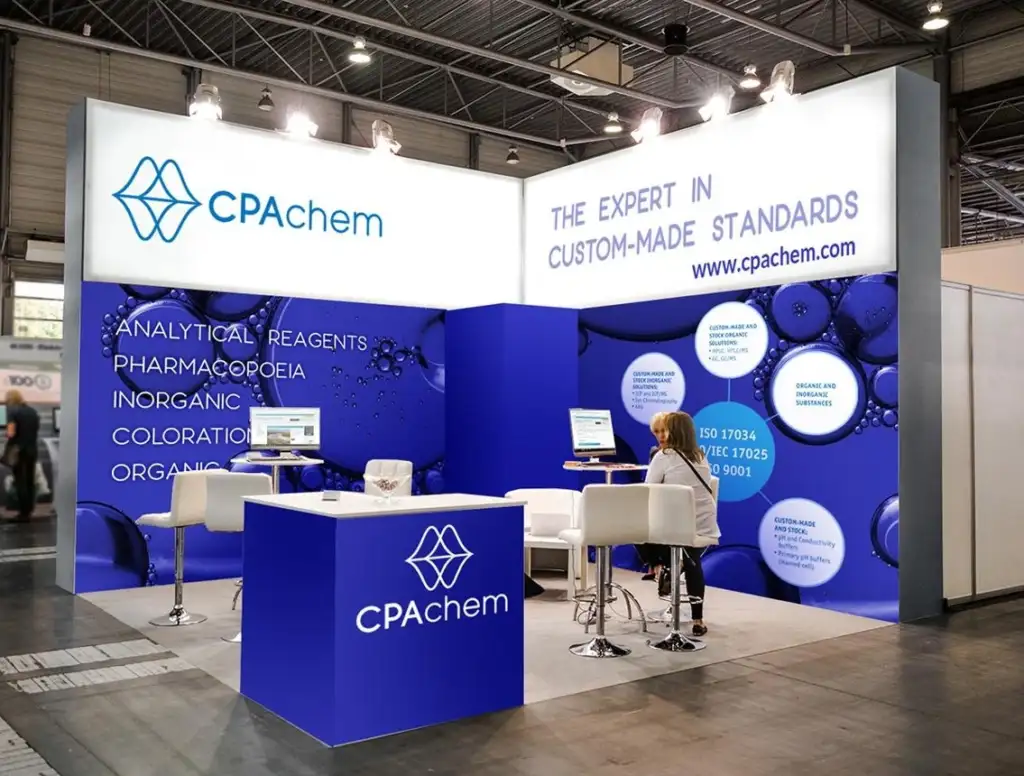
The company logo should be easy to recognise and placed where visitors can see it. Avoid making it so small that it disappears within the design or placing it behind furniture and display equipment. Use the official logo file and maintain its correct proportions. If the booth has several panels, make sure the branding looks consistent across them.
Attention-Grabbing Headlines
A short headline can communicate the main purpose of a business more effectively than a long paragraph. Instead of trying to explain every service or product on the backdrop, focus on one key message. Supporting details can be placed on smaller panels, brochures, or product displays where visitors can read them more closely.
Readable Typography
Choose fonts that remain clear when viewed from a distance. Decorative typefaces may look interesting on a computer screen but can become difficult to read when printed on large displays. Use a clear font for headings and supporting text, and avoid mixing too many type styles in one design.
Consistent Colours and High-Quality Visuals
Use colours that match the company’s established brand identity. Strong contrast between text and background can improve readability, while relevant photographs and illustrations can help explain a product or service. Images should be suitable for large-format printing so they do not appear blurred or pixelated.
Different Types of Trade Show Graphics Businesses Can Use
The type of graphics a business needs depends on its booth size, exhibition layout, budget, and marketing objectives. Some displays are designed to attract attention from across the hall, while others provide information to visitors who are already standing nearby.
Exhibition Booth Backdrops
A backdrop is often one of the most noticeable parts of an exhibition booth. It provides space for the company logo, main headline, and a strong visual that represents the business. A simple design with one clear message can make a more effective impression than a wall crowded with product descriptions and decorative elements.
Retractable and Promotional Banners
Retractable banners are useful for businesses that attend multiple exhibitions or events. They are relatively easy to transport, set up, and store. They can display a company introduction, featured product, service information, or a specific campaign message. Their content should remain concise because visitors may only glance at them while passing by.
Branded Display Panels
Display panels can be used to introduce product ranges, explain services, or highlight important business information. They work particularly well when a company has several products or features to present. Each panel should have a clear heading and a focused message so visitors can understand the information without feeling overwhelmed.
Directional and Promotional Signage
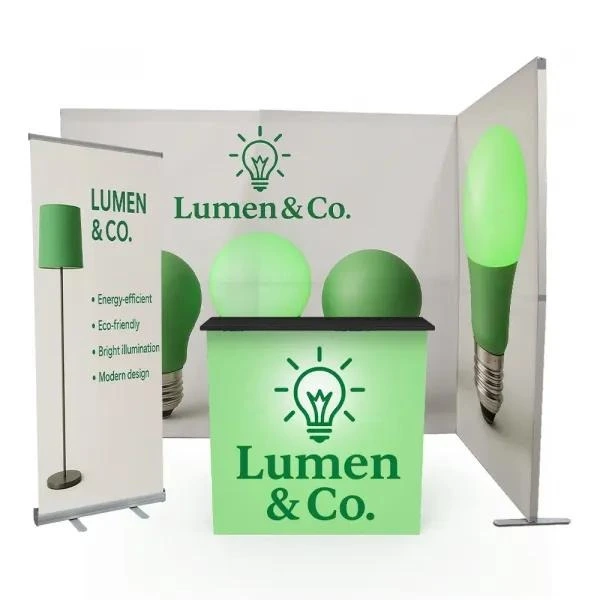
Signage helps visitors navigate an exhibition space and find important areas within a booth. It can identify product sections, demonstration areas, consultation desks, or registration points. Promotional signage can also highlight a special offer or invite visitors to take a particular action.
Table Covers and Counter Graphics
Branded table covers and counter graphics help smaller exhibition spaces look more organised. They can carry the company logo, brand colours, or a short message while covering plain tables and counters. These materials should complement the larger booth graphics rather than compete with them.
How to Design Trade Show Graphics That Attract Visitors
An attractive exhibition display begins with a clear understanding of the audience. Before designing anything, consider who will attend the event and what information they are likely to look for. A technology company, for example, may need to highlight product features, while a service provider may benefit from presenting its main solutions and areas of expertise.
Next, decide on the primary message. Visitors should be able to understand what the business offers without reading several paragraphs. Keep the headline short and give it enough visual space to stand out. Supporting information can explain important details, but it should not distract from the main message.
The layout also needs to guide the viewer’s attention. Place the company name and key message in visible positions, then use images, headings, and smaller text to introduce supporting information. Leave enough empty space between elements so the design does not feel crowded.
Think about viewing distance as well. Graphics placed on an outer wall or overhead display need larger text than information intended for someone standing at a counter. It is useful to review the design at its actual display size or from a realistic viewing distance before approving the final artwork.
Finally, consider the physical booth. Counters, shelves, lighting, screens, and people may block parts of a graphic during the event. Check the planned layout from different angles so important messages remain visible.
Choosing the Right Materials and Printing Options
The material used for exhibition graphics affects their appearance, durability, transportation, and installation. The right choice depends on where the display will be used and how frequently it needs to be reused.
For example, lightweight banner materials can be suitable for portable promotional displays, while rigid panels may work better for structured booth walls and information boards. Fabric graphics can also be considered when the display system is designed for fabric panels and easy transportation.
Printing requirements should be discussed before the design is finalised. Confirm the display dimensions, material specifications, finishing requirements, and installation method with the printing provider. Colours may appear different on screen and in print, so checking a proof or sample can help identify issues before production.
Businesses should also consider whether the graphics are intended for a single event or repeated use. Durable materials and replaceable graphic panels may be worthwhile for companies that regularly participate in exhibitions.
Frequently Asked Questions
What are trade show graphics?
Trade show graphics are printed or digital visual materials used to present a business at exhibitions and trade events. They include booth backdrops, banners, display panels, promotional signage, and branded counter graphics.
What types of graphics are used at trade shows?
Common options include exhibition backdrops, retractable banners, wall graphics, promotional signs, display panels, table covers, and digital screens. Businesses can combine different formats depending on their booth layout and objectives.
How do you make exhibition graphics stand out?
Use a clear headline, recognisable branding, relevant visuals, and readable typography. Keep the layout organised and make sure the most important information can be understood from a distance.
Why is print quality important for exhibition graphics?
Large displays make image and artwork problems more noticeable. Suitable image resolution, accurate colours, correct dimensions, and professional finishing help create a clean and consistent presentation.
Conclusion
Effective trade show graphics help businesses present their identity, communicate their offerings, and create a more organised exhibition space. From backdrops and banners to display panels and signage, every visual element should support the same message. By focusing on readability, brand consistency, suitable materials, and professional printing, businesses can create exhibition displays that leave a positive impression. Thoughtful design and careful preparation can make a company’s presence more memorable at its next business event.