
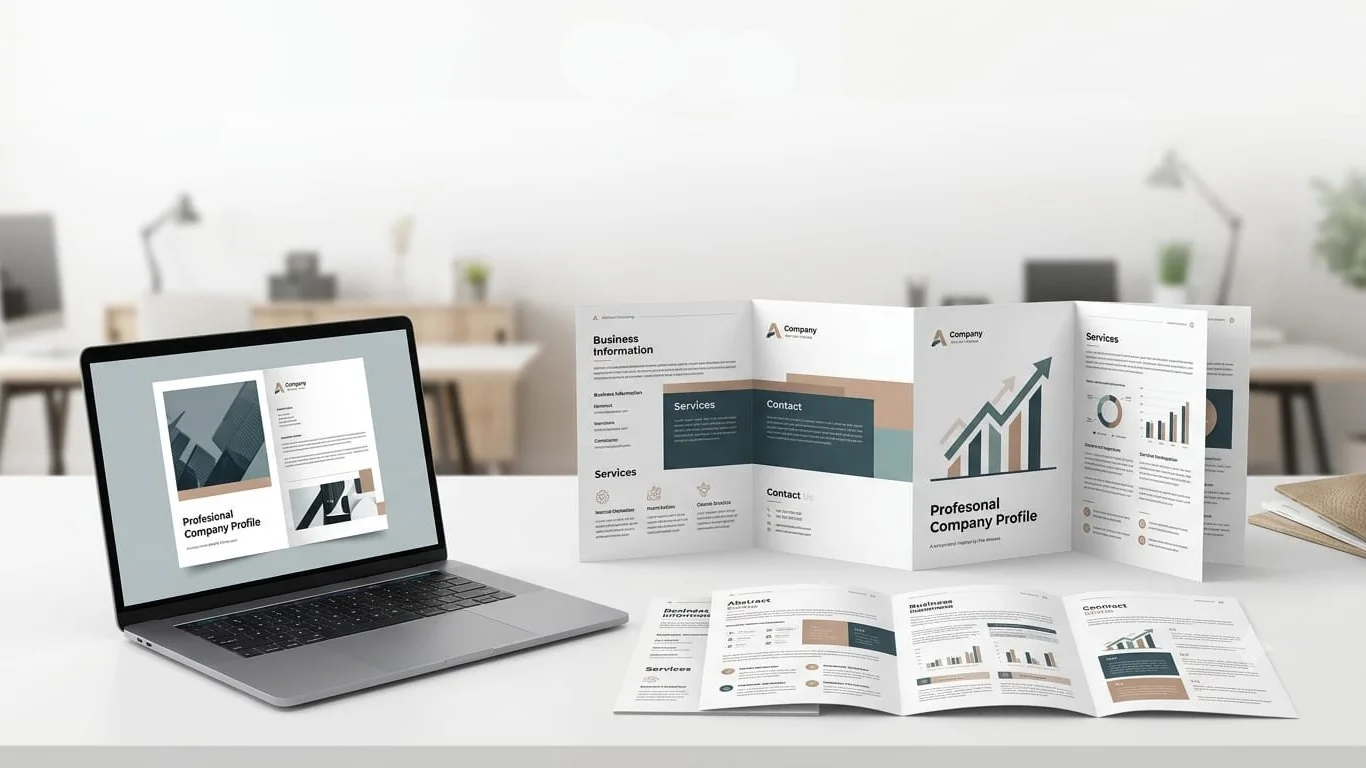
A company profile is more than a document that introduces a business. It is a practical way to present a company’s identity, services, experience, values, and achievements in one organised format. A well-prepared company profile can help potential clients, business partners, investors, and other stakeholders understand what a business offers and what makes it different.
Whether it is created as a printed brochure, a PDF, or a presentation, the company profile should combine clear information with professional visual design. The content needs to be useful, while the layout, typography, images, and branding should create a consistent impression.
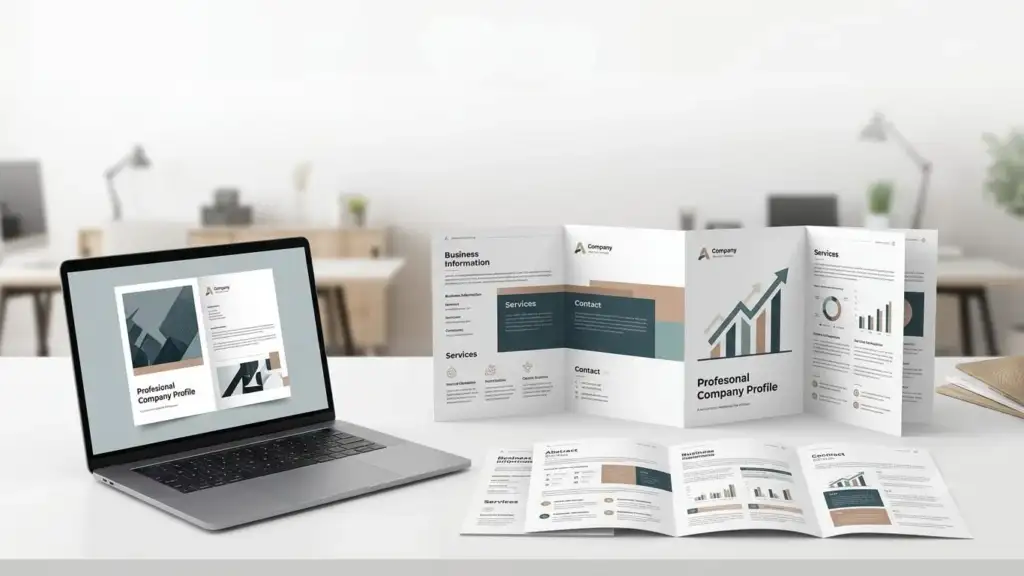
What Is a Company Profile?
A company profile is a document that provides an overview of a business. It usually introduces the company, explains its services or products, shares important milestones, and provides relevant contact information.
The format can vary depending on the purpose. Some businesses use a short company profile for proposals and client meetings, while others create a more detailed document for corporate presentations, tenders, partnerships, or marketing.
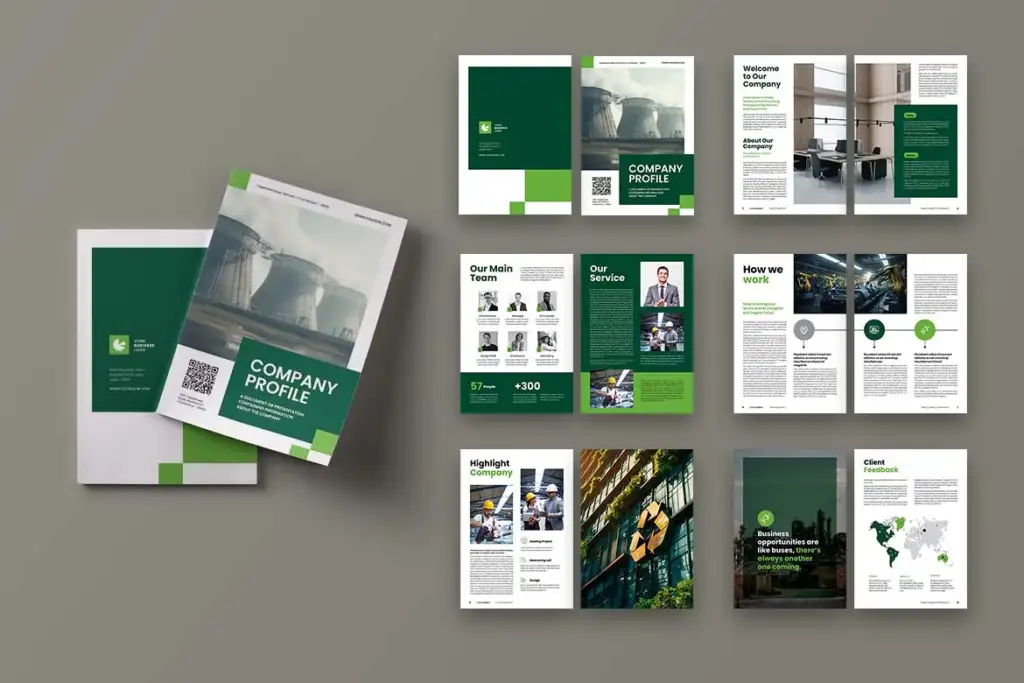
A typical company profile may include:
- Company introduction
- History or background
- Mission and vision
- Products or services
- Core values
- Team or leadership
- Achievements and certifications
- Major projects or clients
- Contact information
The most effective profiles are not necessarily the longest. They present the most relevant information in a structure that is easy to understand and visually appealing.
Why a Professional Company Profile Matters
A company profile can serve as an important communication and branding tool. It brings essential business information together while giving readers an overview of the company’s professional identity.
Creates a Strong First Impression
For someone unfamiliar with a business, a company profile may be one of the first detailed pieces of information they see. A clean layout, consistent branding, and well-written content can make the information easier to understand and create a professional impression.
Communicates Business Information Clearly
Instead of asking potential clients or partners to search through different pages and documents, a company profile can bring key information together in one place. This makes it easier to understand what the business does and how it operates.
Supports Brand Identity
A company profile should reflect the same visual identity used across other business materials. Consistent colours, fonts, imagery, logos, and design elements help create a recognisable brand experience.
Helps Build Credibility
Relevant experience, achievements, certifications, completed projects, and areas of expertise can provide useful context about a business. These details should be presented accurately and only when they are genuinely relevant to the intended audience.
What to Include in a Company Profile
The exact content depends on the business and its audience, but several sections are commonly useful.
Company Introduction
Start with a concise overview of the business. Explain what the company does, the industry it operates in, and the main products or services it provides.
Avoid filling this section with unnecessary history. The introduction should quickly help readers understand the business.
Mission and Vision
A mission statement can explain what the company aims to accomplish, while a vision statement can describe its broader direction.
Both should be specific enough to communicate the company’s purpose rather than relying on generic statements.
Products or Services
Clearly explain the main products or services offered. Group related services together where possible and use short descriptions instead of large blocks of text.
If the company provides several services, visual sections or icons can make the information easier to scan.
Company History
A brief history can help explain how the business developed. Important milestones can also be presented as a simple timeline when there are several dates or achievements worth highlighting.
Team and Expertise
Depending on the purpose of the profile, introducing key team members or areas of expertise can add useful context. This is particularly relevant for businesses where experience and professional knowledge are important to the service being offered.
Achievements and Certifications
Awards, certifications, completed projects, industry memberships, and relevant achievements can strengthen the profile when they are genuine and verifiable.
Rather than listing everything, select information that supports the company’s credibility and is relevant to the intended reader.
Contact Information
End with clear contact details. Depending on the business, this may include:
- Website
- Email address
- Phone number
- Office address
- Social media profiles
The contact section should be easy to find rather than hidden in small text.
How to Design a Professional Company Profile
Once the content has been prepared, the next step is turning it into a clear and visually consistent document.
1. Define the Purpose and Audience
A company profile created for potential clients may require a different structure from one prepared for investors, suppliers, or business partners.
Before designing the document, determine who will read it and what information they need.
2. Follow the Brand Identity
The company profile should look like it belongs to the same brand as the company’s website, business cards, brochures, and other marketing materials.
Use consistent:
- Brand colours
- Typography
- Logo placement
- Photography style
- Graphic elements
- Overall visual tone
This consistency helps create a more unified brand presence.
3. Create a Clear Visual Hierarchy
Readers should be able to understand the structure of the document at a glance.
Use different heading sizes, appropriate spacing, short paragraphs, and clearly separated sections. Important information can be highlighted without making every element compete for attention.
4. Use High-Quality Images
Relevant images can make a company profile more engaging, particularly for businesses with physical products, projects, facilities, or creative work to showcase.
Images should support the content rather than simply fill empty space. Low-resolution, unrelated, or excessive images can make an otherwise professional profile appear less polished.
5. Keep Typography Readable
Decorative fonts may work well for small design elements, but body text should remain easy to read.
A limited font combination with clear headings and comfortable spacing is generally more effective than using numerous typefaces throughout the document.
6. Balance Text and Visual Elements
A professional company profile should not feel like a wall of text. At the same time, excessive graphics can make important information difficult to find.
Use a balanced combination of text, images, charts, icons, whitespace, and other visual elements where appropriate.
Choosing the Right Format: Digital or Printed
Company profiles can be created in several formats, and the right choice depends on how the document will be used.
Printed Company Profiles
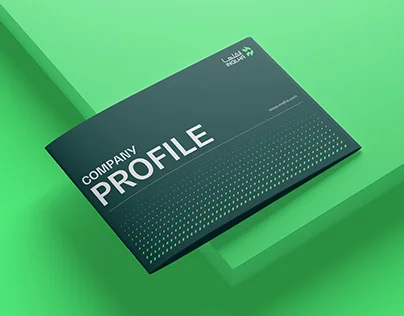
Printed profiles can be useful for meetings, exhibitions, conferences, presentations, and other situations where physical materials are appropriate.
The quality of paper, printing, binding, and finishing can influence how the final document looks and feels.
Digital Company Profiles
A digital company profile is usually shared as a PDF or another electronic document. It can be emailed to potential clients, included with proposals, or shared through online communication channels.
Digital profiles can also include clickable website links, email addresses, or other interactive elements where appropriate.
Using Both Formats
Many businesses can benefit from maintaining both a digital and printed version. The same core content and branding can be adapted to suit each format without creating an entirely separate identity.
Common Company Profile Mistakes to Avoid
Even a well-designed company profile can lose its impact when the content or layout is poorly planned.
Including Too Much Information
A company profile does not need to contain every detail about a business. Excessive information can make the document difficult to read.
Focus on information that helps the intended audience understand the company and its capabilities.
Using Inconsistent Branding
Different fonts, colours, logos, or visual styles across pages can make the profile appear disconnected.
A consistent design system should be established before the document is completed.
Writing Long Blocks of Text
Large paragraphs can make even valuable information difficult to read. Break content into smaller sections and use headings, lists, and visual elements where appropriate.
Using Poor-Quality Images
Pixelated, stretched, outdated, or irrelevant images can affect the overall presentation. Use appropriate high-resolution visuals that support the company’s message.
Ignoring the Audience
A company profile should answer the questions that matter to its intended readers. A document written without considering its audience may include too much irrelevant information and overlook important details.
Forgetting to Update the Profile
Services, team members, contact details, certifications, and achievements can change over time. An outdated company profile can create confusion and reduce its usefulness.
Review the document periodically and update information when necessary.
Tips for Making a Company Profile More Engaging
A professional company profile does not need complicated design techniques to be effective. A few thoughtful decisions can make a significant difference.
Use a strong opening: Introduce the company clearly and explain its purpose early.
Highlight important information: Use headings, short summaries, icons, or other design elements to draw attention to key points.
Show rather than only tell: Where possible, include relevant project images, product photography, case examples, or measurable achievements.
Use consistent layouts: Similar sections should follow a consistent visual structure throughout the document.
Leave enough whitespace: Empty space gives content room to breathe and helps prevent pages from feeling overcrowded.
Keep the audience in mind: Every section should provide information that is useful to the people reading the profile.
End with a clear next step: Make it easy for readers to contact the business, visit the website, request information, or start a conversation.
A company profile is also an extension of a business’s visual communication. Professional graphic design can help bring the written content, brand identity, and visual elements together into a cohesive document.
FAQs
What is the purpose of a company profile?
The purpose of a company profile is to provide a clear overview of a business, including its background, services, capabilities, values, achievements, and contact information.
What should a company profile contain?
A company profile can contain an introduction, mission and vision, company history, products or services, team information, achievements, certifications, projects, and contact details.
How long should a company profile be?
There is no fixed length. A company profile should be long enough to provide the information the intended audience needs without including unnecessary details. A concise profile may work for a simple introduction, while a more detailed document may be appropriate for proposals or corporate presentations.
Should a company profile be printed or digital?
Both formats can be useful. Printed profiles work well for meetings and physical events, while digital profiles are convenient for email, websites, proposals, and online sharing.
Can a company profile be used as a marketing tool?
Yes. A company profile can support marketing and business communication by presenting the company’s services, capabilities, experience, and brand identity in one organised document.
Conclusion
A professional company profile brings together the information and visual identity that help a business communicate clearly. From the introduction and services to achievements and contact details, every section should have a purpose and contribute to the overall message.
The strongest company profiles balance useful information with thoughtful design. Clear writing, consistent branding, readable layouts, relevant imagery, and an understanding of the target audience can turn a basic business document into a practical communication and branding tool.
Whether the final profile is printed, shared digitally, or used in both formats, careful planning can make it easier for potential clients and business partners to understand the company and what it offers.