
Introduction
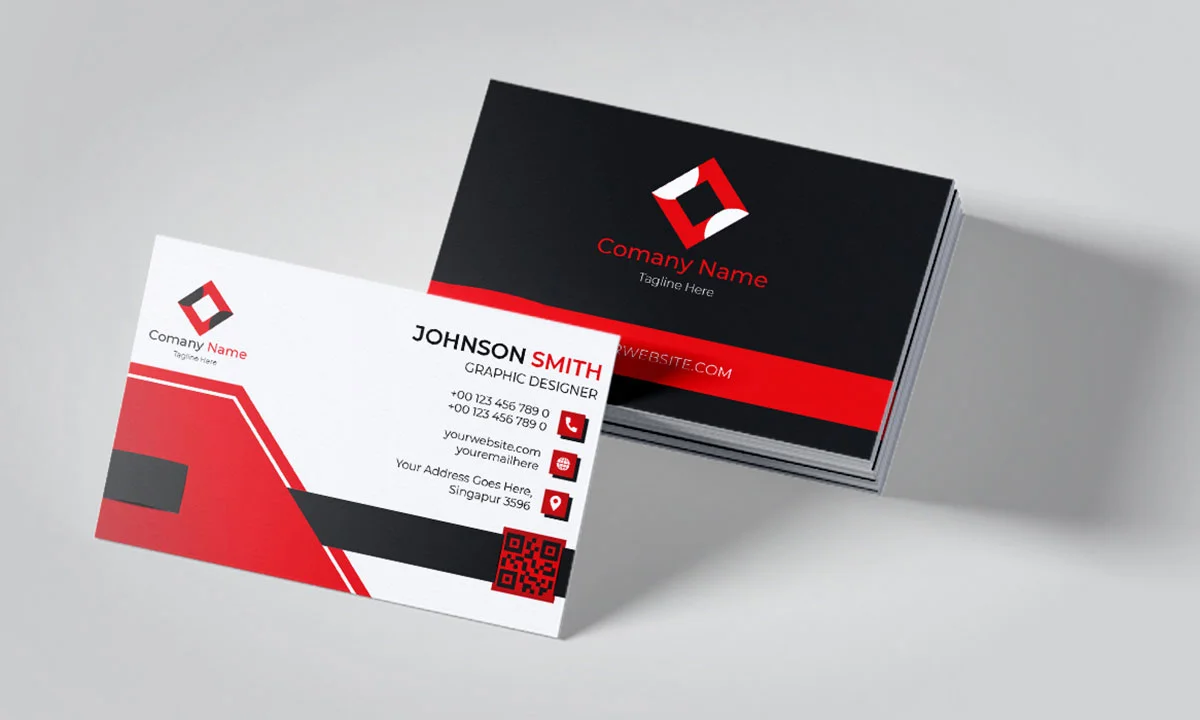
In today’s competitive business world, first impressions matter more than ever—and one of the simplest yet most powerful tools to create that impression is a well-thought-out business card design. Despite the rise of digital communication, business cards remain a timeless way to share your identity, promote your brand, and build professional networks.
A creative and professional business card design not only provides essential contact details but also communicates your personality, credibility, and professionalism in a matter of seconds. In this article, we’ll explore the importance of effective business card design, the most common types available, and the golden rules you should follow to make your card truly stand out.

What Does an Effective Business Card Design Mean?
A business card is much more than just your name and phone number on a piece of paper. It is an identification mark of your brand, a representation of your company, and a mini marketing tool that can create lasting connections.
An effective business card design goes beyond simply sharing contact information. It uses its limited 3.5 × 2-inch space wisely to:
- Reflect your brand identity
- Leave a memorable impression
- Build professional trust
- Help in marketing and networking
Why Business Card Design Still Matters
Even in the digital era, a thoughtful business card design continues to play an important role in professional communication. Here’s why:
- Networking Tool: A quick and easy way to exchange details in meetings, events, or casual interactions.
- First Impression: A well-crafted business card design instantly conveys professionalism and credibility.
- Branding Element: Colors, fonts, and textures on your card reflect your brand’s personality.
- Memorability: A tangible reminder of your services that makes follow-ups easier.
Types of Business Card Design
There are multiple ways to approach business card design, depending on your industry, budget, and target audience. Here are some of the most popular types:
- Standard Business Card Design
- Simple and professional
- Shares essential details clearly
- Cost-effective and suitable for almost all industries
- Premium Business Card Design
- Uses high-quality paper and finishes
- Creates a luxury and exclusive impression
- Perfect for businesses that want to stand out
- Matte Business Card Design
- Smooth, non-glossy finish
- Professional and elegant look
- Great for minimalistic designs
- Gloss Business Card Design
- Vibrant and eye-catching
- Best for industries like fashion, beauty, design, and hospitality
- Perfect for showcasing logos or images
- Embossed Business Card Design
- Features raised text or logos
- Provides a premium, tactile feel
- Highlights the most important elements of your card
For more inspiration on creative business card design, check out design tips from Envato Tuts+.
Rules for an Effective Business Card Design
To ensure your business card design supports your brand and communicates effectively, follow these golden rules:
1. Include Only the Most Important Information
Avoid clutter. Stick to essentials like your name, title, company, phone, email, and website. Simplicity makes your design more memorable.
2. Ensure Legibility
Readable font size and colors are non-negotiable. Avoid overly fancy fonts. A clean font on a light background ensures a professional look in your business card design.
3. Design with Your Audience in Mind
If you manage multiple businesses, create separate cards for each. Each audience deserves a focused business card design that speaks directly to them.
4. Go for Professional Printing
Homemade cards may save money but look unprofessional. Professional printing ensures durability, polished finishes, and high-quality business card design results.
5. Avoid Overdesigning
Too many graphics or colors reduce readability. White space gives breathing room to your business card design and makes it look clean.
6. Add a Call to Action
Use your card creatively—add a QR code, discount, or website link. This makes your business card design more functional and memorable.
7. Use Finishing Options Wisely
Embossing, foil stamping, or die-cuts can make your business card design stand out. But use them carefully so the card remains professional and aligned with your brand.
Bonus Tips to Elevate Your Business Card Design
- Add a QR code to connect instantly with your digital presence.
- Maintain branding consistency by using your company’s official colors and fonts.
- Choose high-quality material for a premium feel.
- Consider creative formats like double-sided or foldable business card design for extra impact.
Conclusion
Though small in size, an effective business card design carries immense marketing power. It represents your brand, builds trust, and keeps your identity alive in your client’s mind. A great design balances creativity, simplicity, and professionalism—making it an asset, not just a piece of paper.
By following the rules and exploring different business card design types, you can create a card that leaves a lasting impression and strengthens your brand identity in the market.